North Tenerife
North Tenerife or south? Why we chose the north
North or south Tenerife? The north is greener, cooler, cloudier and quieter, with no high-rise resorts and Spanish spoken everywhere. Here is the honest trade-off.
Local guide
61 pieces written by Sarah & Aike, who fell for this coast during the pandemic and have been coming back ever since — the places we actually go, not the ones on the postcards.
We found this coast during the pandemic, looking for somewhere quiet to work, and fell for it. This is the long version of the guide we leave for guests: where we eat, which walks start at the front door, and the local habits that otherwise take a week to work out.
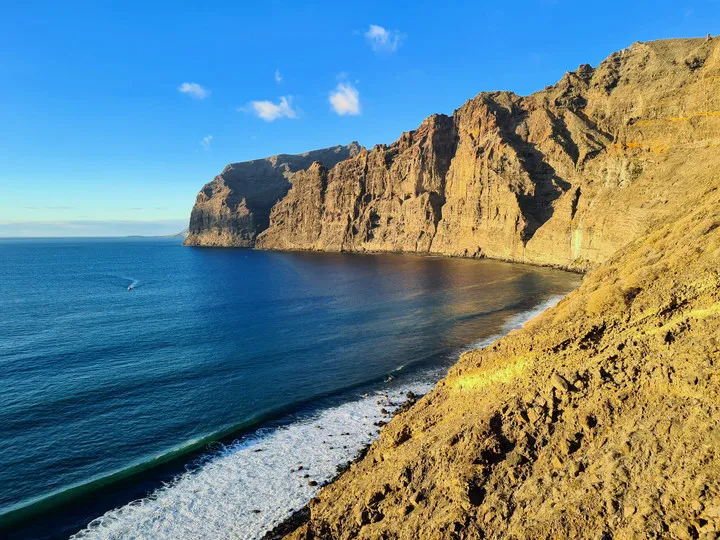
It covers the north coast — San Marcos, Icod de los Vinos, Garachico and Puerto de la Cruz. Greener, cooler and quieter than the south of the island, and hardly written about in English.
North Tenerife
North or south Tenerife? The north is greener, cooler, cloudier and quieter, with no high-rise resorts and Spanish spoken everywhere. Here is the honest trade-off.
North Tenerife
Puerto de la Cruz, La Orotava, Garachico, or the San Marcos and Icod coast — an honest area-by-area guide to staying on north Tenerife, written by hosts.
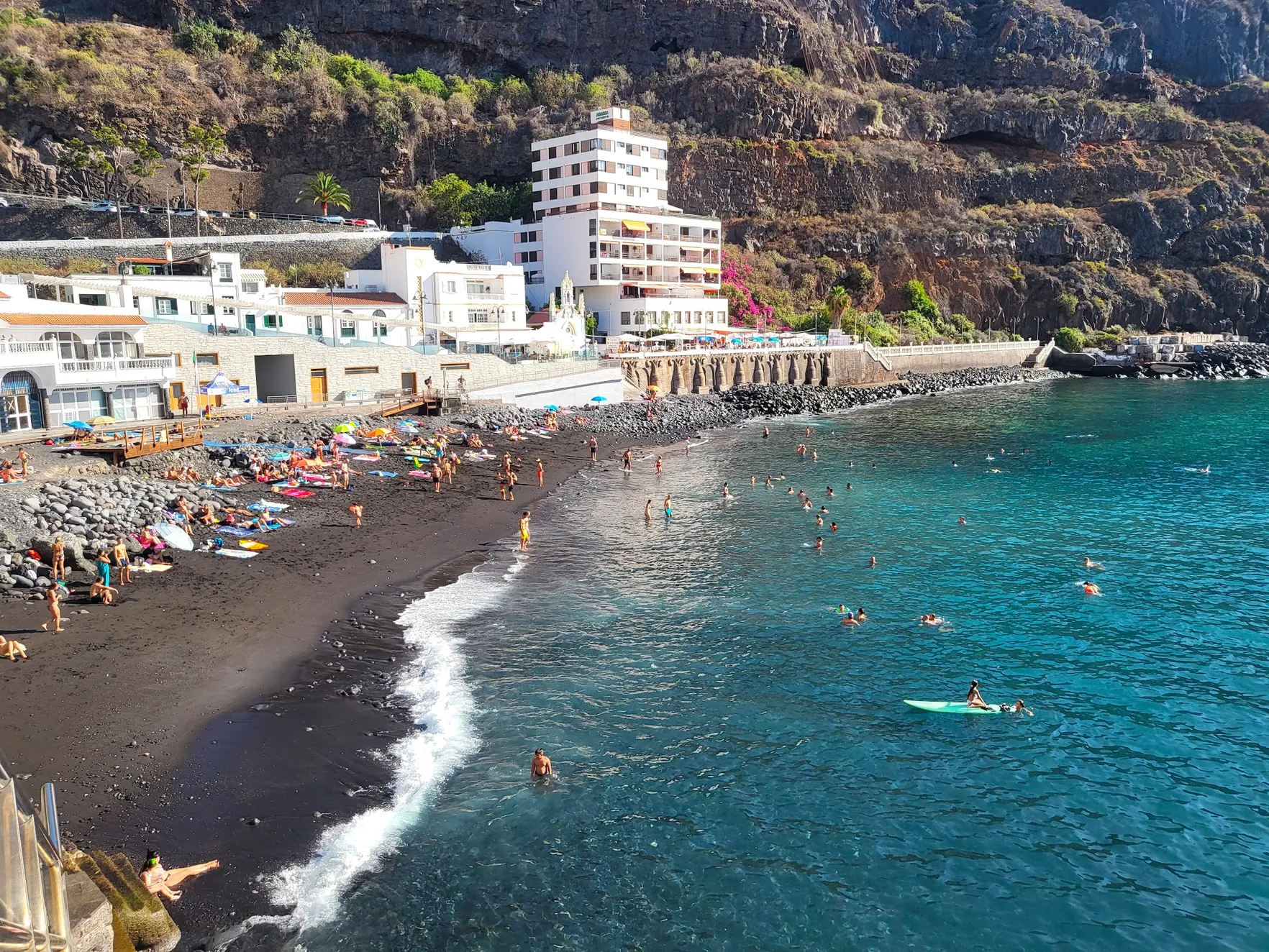
Playa de San Marcos, Icod de los Vinos
A black-sand bay under the cliffs below Icod de los Vinos, with a handful of restaurants, a bar and the calmest swimming on Tenerife's north coast. Our village.
North Tenerife
North Tenerife restaurants keep hours that surprise visitors: village kitchens close all afternoon, neighbours take turns opening, and lunch is the big weekend meal.
North Tenerife
A guachinche is a Tenerife wine-grower's kitchen, regulated by law: own wine only, a short traditional menu, open until the season's wine runs out.
61 pieces, grouped the way people actually plan a week.
Puerto de la Cruz, Garachico, La Orotava, or our own end of the coast around San Marcos and Icod — an honest area-by-area guide, plus airports and whether you need a car.
Twenty-three places, from the two fish restaurants at the bottom of our hill to a Michelin star twenty-five minutes east. Garachico has the densest run of good ones; San Marcos has the ones you can walk to.
Tenerife's vines escaped the plague that destroyed Europe's, so many still grow on their own roots in volcanic soil — and almost none of it leaves the island. This is how to drink it where it is made.
Two of these start at our gate and need no car at all. The rest climb into laurel forest, black lava fields and a landscape that looks like the moon — and we have been honest about how long the drive is.
The volcano, the lava tube underneath the banana terraces, the old capital, and a town that lost its harbour to an eruption in 1706. Two of these need booking well in advance.
You will want a hire car for most of this guide. But there is a genuinely good week available on foot from our door: a sheltered bay, three restaurants, a bar, a guachinche and an hour-long coastal walk to the next town.
The north is green because it is cloudier — that is the trade. A week here usually includes an afternoon when the beach is off, so these are the things that work anyway.
The small local knowledge that otherwise takes a week to work out: why the restaurant is shut, why there is a bin beside the toilet, whether to drink the tap water, and whether you need a car.
The complete index.